 Fully Licensed and Insured
 Request an Oil Tank Scan
 Request a Free Estimate

 Fully Licensed and InsuredRequest an Oil Tank ScanRequest a Free Estimate
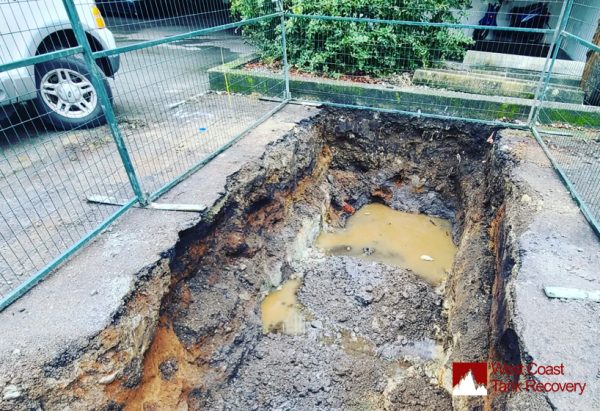
Many older properties across British Columbia relied on heating oil to keep warm. Decades later, these hidden metal giants present a substantial environmental and financial liability for property owners. Whether you are prepping your property for a sale or simply cleaning up your home’s footprint, managing an out-of-service oil tank is a critical priority.
If you suspect or know there is an old fuel reservoir on your property, this straightforward guide details everything you need to know about professional oil tank removal.
The cost stems from the precision, specialized equipment, and legal protocols required. You are not just paying for a crew to dig a hole; you are paying for hazardous fluid extraction, safe structural excavation, certified transport of flammable materials, environmental reporting, and professional backfilling.
For a standard, clean residential underground storage tank (UST) with no leaks, the average cost ranges from $1,500 to $3,500. This generally includes excavation, pumping out residual sludge, removing the tank shell, and securing initial municipal permits.
Removing an above-ground tank from a basement or crawlspace typically costs less than an underground dig, usually falling between $500 and $1,500. However, if the tank is too wide to fit through doorways, the technicians will need to cut the drained metal tank into manageable pieces safely without creating sparks or fumes, which adds to the labor cost.
The process is similar to a basement removal, though garage access is usually much easier for the crew. Technicians will pump out the remaining oil, disconnect the feed lines, cut the tank down if necessary, and transport the scrap metal to an authorized disposal site.
Yes, removals can take place during the winter months. However, frozen ground can slow down excavation times for buried tanks, and heavy snow can make finding a hidden tank much more difficult.
Most residential underground tanks are buried relatively close to the surface—typically between 2 to 4 feet beneath the soil line. They were intentionally placed deep enough to be protected from freezing temperatures but shallow enough to allow for routine fuel filling.
Steel tanks naturally rust and corrode over time when exposed to soil moisture. A single leak can spill hazardous petroleum hydrocarbons into the surrounding earth, destroying landscaping, generating toxic vapor pockets, and potentially seeping into neighboring properties or localized groundwater tables.
If the tank structure fails or historic soil contamination is uncovered during the dig, the project immediately shifts into environmental cleanup mode. The contractor must stop, contain the area, and report the spill to the BC Ministry of Environment if it exceeds regulatory limits.
Oil tank remediation is the systematic cleanup of contaminated earth. A specialized crew must carefully excavate the tainted soil, transport it to a certified hazardous waste remediation facility, and perform continuous testing until the remaining ground meets the strict environmental quality standards of the BC Contaminated Sites Regulation.
Professional laboratory analysis for post-removal soil samples typically runs between $200 and $600. Soil testing is a vital step because visual inspections cannot detect microscopic fuel concentrations.
Yes. Once the tank is pulled out and the soil is verified as clean by an environmental professional, the company will backfill the open pit with clean, compacted structural fill and topsoil to restore your yard’s safety and grade.
It is extremely difficult. Most Canadian real estate boards, banks, and home insurance providers require old underground storage tanks to be completely removed before approving a mortgage or issuing a policy. Leaving a tank in place can drastically lower your property value or completely stall a sale.
If you are actively using an active heating oil system, you should have it professionally inspected at least once a year. If you own an older home and are unsure if a tank is buried on your lot, you should order a non-invasive ground scan immediately to avoid long-term liability.
A reliable contractor must possess valid municipal business licensing, comprehensive pollution liability insurance, WorkSafeBC coverage, and trained technicians certified in confined space entry and hazardous materials handling.
Before signing an agreement, protect your project by asking:
Don’t let a hidden or legacy oil tank compromise your property’s safety, value, and environmental health. At West Coast Tank Recovery, we specialize in providing smooth, safe, and fully compliant tank detection, removal, and remediation services across the Lower Mainland. We manage the entire process—from initial utility mapping and local permits to final soil certification—so you can enjoy absolute peace of mind.
Get your oil tank removal quote or call our team today to schedule an expert site assessment!