 Fully Licensed and Insured
 Request an Oil Tank Scan
 Request a Free Estimate

 Fully Licensed and InsuredRequest an Oil Tank ScanRequest a Free Estimate
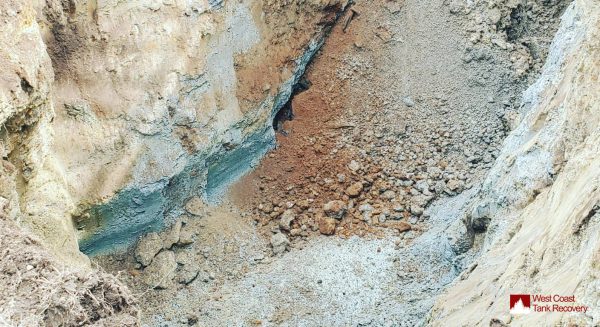
Finding an old underground heating oil tank on your property is stressful enough, but the real concern often begins once the tank is pulled out of the ground. Many homeowners assume that once the steel tank is gone, the problem is solved. In reality, the removal is only the first step. If that tank has been sitting in the ground for decades, there is a very real possibility that it has leaked, turning your backyard soil into an environmental liability.
If your tank fails inspection or shows signs of corrosion, you are entering the world of soil remediation. While the term sounds intimidating, understanding the process is the best way to regain control of your property.
Soil remediation is simply the process of cleaning and restoring soil that has been contaminated by hazardous substances—in this case, petroleum hydrocarbons from heating oil. In British Columbia, this process is strictly governed by the Environmental Management Act and the Contaminated Sites Regulation. You cannot simply dump “dirty” soil at a local landfill or move it to another part of your yard. Remediation must be documented, tested, and verified to meet provincial safety standards.
Why does contamination happen in the first place? It comes down to basic chemistry and time. Underground storage tanks (USTs) are made of bare steel. Over 30, 40, or 50 years, the moisture in the BC soil causes the metal to oxidize and rust. Even if the tank was previously “decommissioned” or filled with sand, a layer of oily “sludge” often remains at the bottom. As the tank walls corrode and develop pinhole perforations, this toxic sludge—often mixed with groundwater—slowly seeps out into the surrounding earth. Even a slow, “weeping” leak over several years can saturate a significant volume of soil.
The moment the tank is removed, the assessment begins. You cannot rely on “smell and sight” alone. A qualified environmental professional must be on-site during the excavation to perform soil sampling.
The technician will take specific soil samples from the bottom and sides of the excavation pit, as well as near the old fuel feed lines. These samples are sent to an accredited laboratory to be analyzed for concentrations of petroleum hydrocarbons. The lab results will tell you exactly how much contamination is present and whether it exceeds the BC provincial standards for residential land use.
If your soil samples come back “hot”—meaning they show contamination above the allowable legal limits—you are required to remediate. The most common and effective method in residential settings is excavation and disposal.
This involves digging out the contaminated soil and transporting it to a specialized facility licensed to treat or safely bury hazardous materials. In some cases, if the contamination is minor or localized, other methods like bioremediation (using specialized bacteria to “eat” the oil) or soil vapour extraction might be considered, but excavation remains the industry standard for ensuring the site is clean and ready for backfilling.
Once the contaminated soil has been removed, the remediation professional will take “confirmatory samples” from the walls of the pit to ensure all the pollutants have been successfully stripped away. Once the laboratory confirms the remaining soil is clean, the restoration process begins.
This involves backfilling the hole with certified clean fill. The area is compacted in layers to prevent the ground from sinking later on, and the surface is restored to its original state—whether that means replacing sod, gravel, or patio pavers.
In BC, you cannot ignore a positive test result. The Contaminated Sites Regulation mandates that property owners manage their environmental liability. If you sell your home, the existence of a clean closure report is your strongest asset. It serves as legal proof that the contamination was identified, handled, and neutralized by professionals.
If you attempt to hide or skip the remediation process, you risk massive legal liability. If that contamination migrates to your neighbor’s property or the local water table, the financial and legal fallout can be catastrophic. Proactive remediation isn’t just about being a good neighbor; it’s a necessary step to protect your home’s insurability and your financial future.
Don’t let contaminated soil jeopardize your property value. At West Coast Tank Recovery, we don’t just pull out tanks; we provide full-service environmental site assessment and soil remediation. We work closely with BC environmental engineers to ensure every job meets provincial standards and provides the closure documentation you need.
Visit our website today to learn more about our remediation services or to book a professional site evaluation.