 Fully Licensed and Insured
 Request an Oil Tank Scan
 Request a Free Estimate

 Fully Licensed and InsuredRequest an Oil Tank ScanRequest a Free Estimate
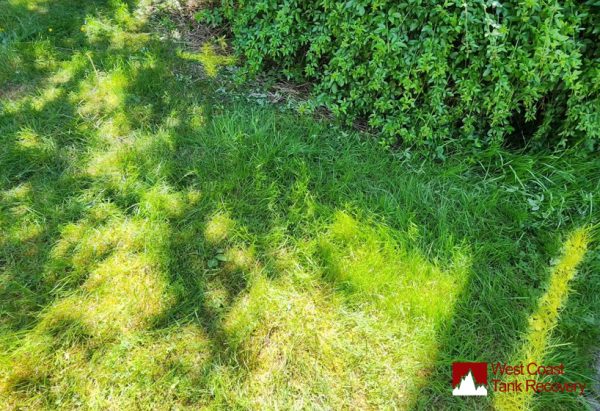
Buying, selling, or maintaining a home involves managing numerous responsibilities. Yet for owners of older homes in British Columbia, one hidden risk beneath the lawn can outweigh almost all others: an abandoned underground heating oil tank.
Scheduling a professional property oil tank inspection is one of the most cost-effective steps a homeowner or prospective buyer can take. Knowing the exact triggers that warrant an inspection helps property owners protect their financial equity and prevent unexpected environmental liabilities.
The primary trigger for an oil tank scan is the age of the structure. Prior to the mid-1970s, heating oil was the dominant domestic heating source across the Lower Mainland and Vancouver Island.
When residential natural gas infrastructure expanded, homeowners switched heating systems. Thousands of exterior oil tanks were buried beneath lawns, driveways, or later additions, often without any formal decommissioning records filed with municipal fire departments. If you are submitting an offer on a home constructed prior to 1975, including an oil tank inspection subject clause is essential due diligence.
Canadian financial institutions and property insurance underwriters have adopted strict policies regarding buried fuel storage tanks.
Most major banks will refuse to approve or fund a mortgage on an older property unless the buyer provides an official “No Tank Certificate” issued by a licensed scanning contractor. Similarly, insurance providers frequently decline fire and property liability policies, or insert strict pollution exclusion clauses, on homes where tank status remains unverified. Completing a scan early prevents closing delays during real estate transactions.
A property oil tank inspection is strongly recommended whenever physical indicators of historical oil heat are visible around the property:
Even if these pipes were cut off below ground level during past landscaping renovations, non-destructive Ground Penetrating Radar (GPR) can still locate the underlying tank structure.
Before pouring a new concrete driveway, building an extension, installing an inground swimming pool, or re-grading a yard, conducting a subsurface scan is a smart precaution.
Discovering a buried oil tank after an excavation contractor strikes it with a heavy backhoe can trigger emergency containment costs, hazardous fluid spills, and immediate construction shutdowns. Locating and removing any tank before construction begins keeps project schedules and budgets on track.
Finding a tank is not a catastrophe when managed by experienced environmental specialists:
West Coast Tank Recovery delivers complete, licensed property oil tank inspection, GPR scanning, tank decommissioning, and contaminated soil remediation services across Greater Vancouver and the Fraser Valley. Operating with WorkSafeBC certification, BBB A+ accreditation, and over 17 years of trusted field leadership, their team provides upfront pricing and rapid turnaround. Schedule an inspection today by calling (604) 628-8786 or toll-free at 1-844-645-8265.